concrete walkway contractor
The water in the mixture can evaporate if it is heated above 80 degrees Fahrenheit. This may sound like concrete hardening, but it's not. Concrete mix requires water to aid in chemical curing. Concrete can crack, shrink, or weaken if it doesn't have enough water. Concrete can become stiffer and more rigid if temperatures exceed 90 degrees. Although it may seem smart to prepare the mix with a higher water-to–mix ratio to avoid this problem, it can cause concrete to weaken over time, increasing its likelihood of cracking or flaking.
It might be a good idea to reinforce concrete projects that will be used for heavy loads, such as a driveway or base for a shed. Rebar can be used to strengthen slabs up to 6 inches in depth for thick driveways. Rebar is required for projects such as pouring concrete steps.
To achieve the perfect pour, you should work at 60 degrees Fahrenheit or earlier in the morning to avoid the heat of the afternoon.
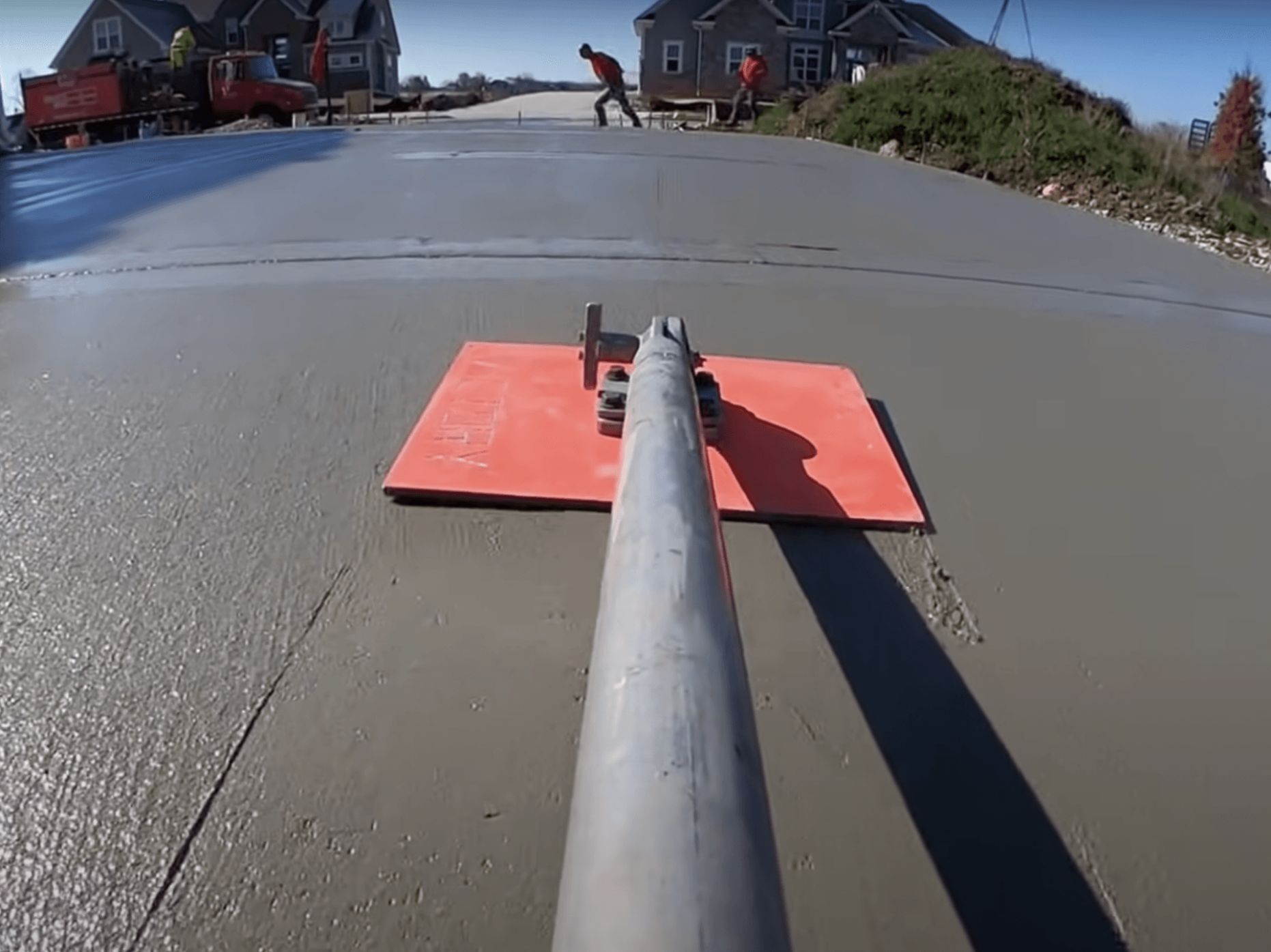
You have enough concrete mix to do the job and the right day for it. Follow these steps to complete a concrete pour.
First, ensure that the site is suitable for concrete pouring. This involves contacting your local building department for information about permits and building setbacks. It also involves calling the local excavation company to mark the locations of pipes or wires in the ground.
Concrete pouring is not something that can be stopped or restarted easily. It's crucial to prepare the site and have all necessary tools and materials on hand before you begin a DIY concrete pour. Personal protective equipment is also important. Safety glasses, gloves, sturdy boots, long pants, and a long-sleeved shirt are essential to protect your eyes and skin from chemical burns that may result from wet concrete.